Spotting Early Signs of Eye Disease in Your Pet: A Home Guide
Recently published | By our experts
Our beloved pets communicate in many ways, but sometimes subtle signs of discomfort go unnoticed. Eye health is crucial for a pet's quality of life, yet many serious eye conditions can progress silently. As a pet owner, you are the first line of defense. Learning to recognize early indicators of eye disease can make a profound difference, often preventing painful, critical conditions and preserving your pet's precious vision. This guide equips you with the knowledge to perform regular home checks and spot these crucial early warnings.
The Importance of Early Detection
Early diagnosis and treatment of eye conditions in pets are paramount. Many eye diseases, such as glaucoma, cataracts, and corneal ulcers, can lead to irreversible vision loss or chronic pain if not addressed promptly. Detecting issues when they are subtle often means less invasive treatments, a better prognosis, and a quicker, more comfortable recovery. Waiting until symptoms are severe complicates treatment and reduces the chances of a successful outcome.
Behavioral Clues: What Your Pet Might Be Telling You
Before physical signs become obvious, your pet's behavior might hint at an underlying eye issue. Pay close attention to any changes in their daily routine or demeanor.
Frequent Rubbing or Pawing at the Eyes
If your pet frequently rubs their face against furniture or paws at their eyes, it could indicate irritation, pain, or a foreign object. This behavior can also worsen the problem by causing scratches or introducing bacteria.
Excessive Blinking or Squinting
Increased blinking, squinting (blepharospasm), or holding one eye shut is a clear sign of discomfort or pain. It often suggests irritation to the surface of the eye, such as a scratch, ulcer, or an eyelash rubbing against the cornea.
Sensitivity to Light (Photophobia)
If your pet shies away from bright light, prefers darker areas, or squints more intensely in sunlight, they might be experiencing photophobia. This symptom can be associated with various eye conditions, including inflammation of the iris (uveitis) or corneal damage.
Bumping into Objects or Difficulty Navigating
While less subtle, if your pet starts bumping into familiar objects or struggles to navigate, it could indicate vision impairment or loss. This is a critical sign requiring immediate veterinary attention.
Physical Signs: A Closer Look at the Eyes
A thorough visual inspection of your pet's eyes can reveal much. Aim to perform these checks regularly, perhaps during grooming or cuddle time, to familiarize yourself with your pet's normal appearance.
Redness or Inflammation
One of the most common signs of eye trouble is redness. This can appear in the whites of the eyes (sclera) or inside the eyelids, often indicating conjunctivitis, allergies, or irritation. Swelling around the eye accompanying redness could signal deeper inflammation, infection, or a severe condition like glaucoma, which is an emergency.
Discharge from the Eye
Eye discharge varies in consistency and color, offering clues:
- Clear, watery discharge: Often allergies, irritation, or early viral infection.
- Thick, yellow, or green discharge: Typically indicates a bacterial infection.
- Mucus-like discharge: Can be seen with dry eye (KCS) or other inflammatory conditions.
- Brownish or reddish-brown tears: Common tear staining, but excessive amounts or a sudden increase could indicate blocked tear ducts or irritation.
Cloudiness or Change in Eye Color/Appearance
Any change in the clarity or color of the eye should be a red flag.
- Hazy or cloudy cornea: Can suggest corneal edema, an ulcer, or glaucoma.
- Bluish or grayish tint: Often a sign of corneal injury or inflammation.
- White or gray opacity within the lens (behind the pupil): Could indicate cataracts, which can impair vision.
- Changes in pupil size or shape: Unequal pupil sizes (anisocoria) or irregularly shaped pupils can point to neurological issues, pain, or severe internal eye disease.
Swelling Around the Eye
Puffiness or swelling of the eyelids or surrounding tissue can indicate an infection, inflammation, allergic reaction, or even a tumor. Any swelling should be monitored and assessed by a vet.
Visible Foreign Objects or Injuries
Look for anything that doesn't belong, like a piece of grass, or signs of physical injuries such as scratches or punctures. These require immediate attention.
Conducting a Home Eye Check
Performing a basic eye check on your pet is straightforward:
- Find good lighting: Natural daylight is ideal.
- Approach gently: Make it a positive experience with treats and praise.
- Observe from a distance first: Look for general behavior changes.
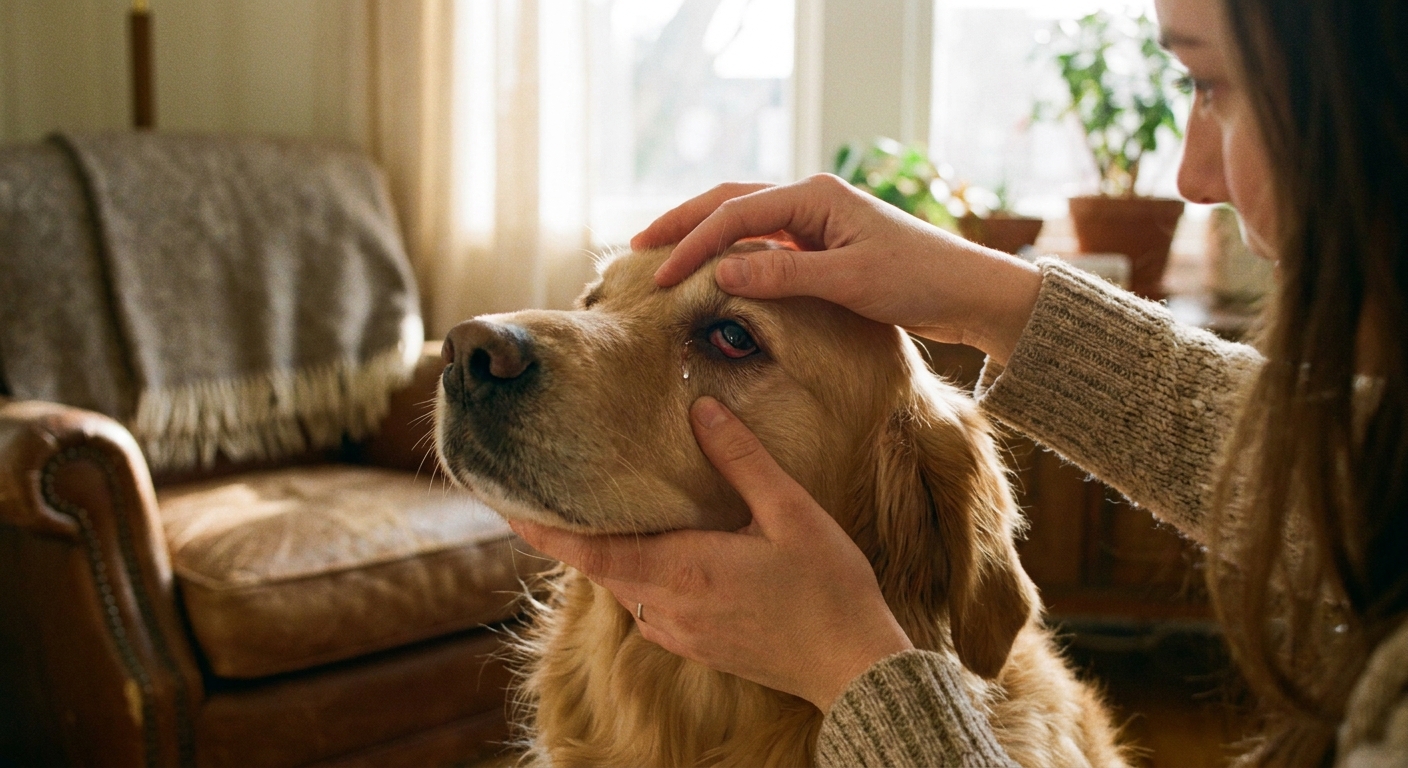
- Examine up close: Gently hold your pet's head and part their eyelids. Look at the whites, cornea, pupils, and surrounding fur. Compare both eyes.
- Note anything unusual: Take pictures or make notes to share with your vet.
When to Contact Your Veterinarian
Any of the signs listed above warrant a call to your veterinarian. Some situations are emergencies:
- Sudden, severe pain (holding eye shut, intense rubbing)
- Rapidly worsening redness or swelling
- Obvious foreign object or injury
- Sudden vision loss (bumping into things)
- Cloudiness or change in eye color that appears suddenly
- Persistent, thick, colored discharge
Conclusion
Being proactive in monitoring your pet's eye health is one of the most loving things you can do. Regular home checks, combined with routine veterinary examinations, create a strong defense against debilitating eye diseases. By recognizing the early signs, you can ensure your cherished companion receives timely care, potentially saving their vision and maintaining their comfort and quality of life for years to come.