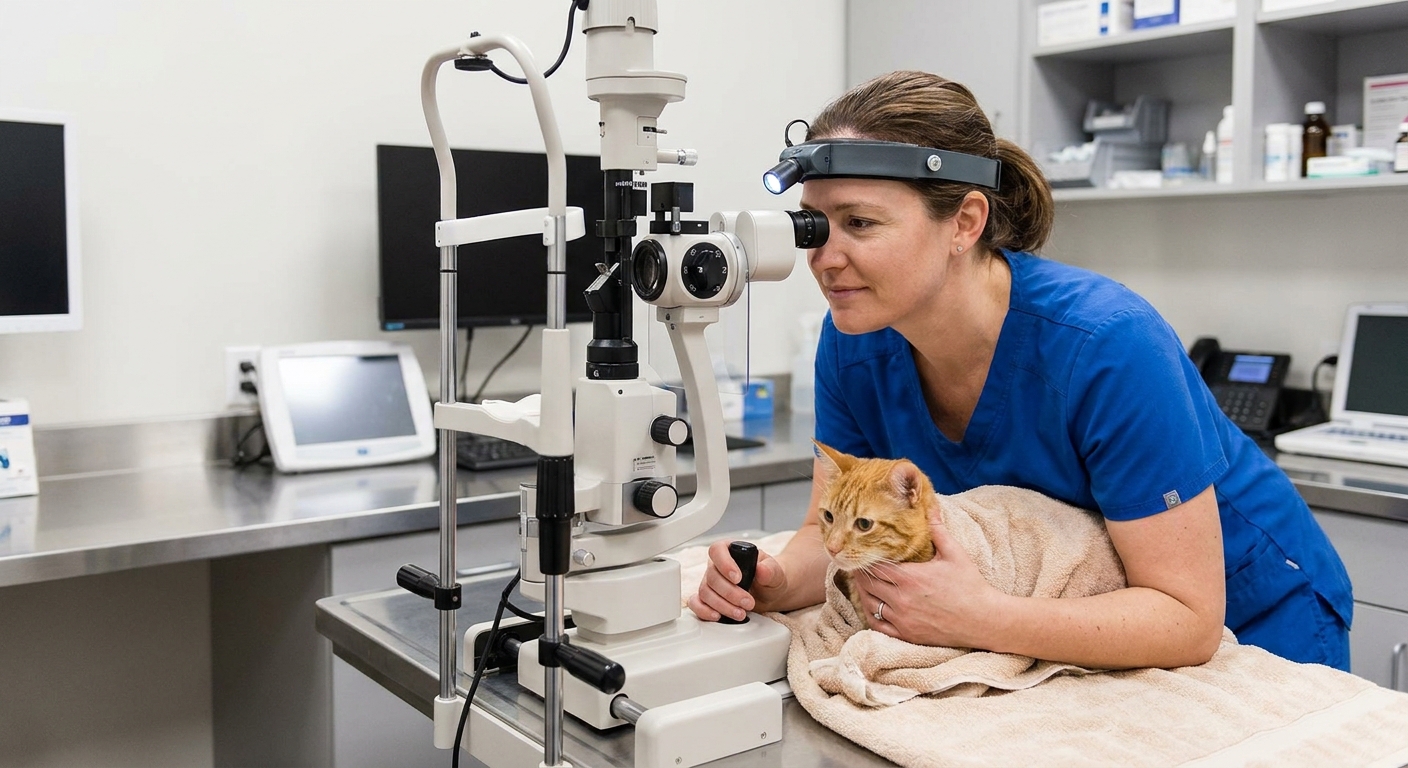
Our beloved pets are cherished family members, and their health and well-being are paramount. While general veterinarians are highly skilled and provide excellent primary care, certain medical conditions necessitate a level of specialization that goes beyond the scope of general practice. This is especially true when it comes to the delicate and intricate world of animal eyes. The eyes are not only windows to the soul but also complex organs susceptible to a myriad of diseases, injuries, and genetic conditions. This is where a board-certified veterinary ophthalmologist becomes an indispensable asset, offering a depth of expertise and advanced capabilities that can make all the difference in preserving vision and improving the quality of life for our companions.
What is a Veterinary Ophthalmologist?
A veterinary ophthalmologist is a Doctor of Veterinary Medicine (DVM) who has undergone extensive, specialized postgraduate training in the diagnosis, treatment, and prevention of diseases affecting the eyes and associated structures in animals. This rigorous path typically involves completing a one-year internship followed by a three-year residency program accredited by the American College of Veterinary Ophthalmologists (ACVO) or the European College of Veterinary Ophthalmologists (ECVO). During this time, they gain intensive hands-on experience and theoretical knowledge under the guidance of leading specialists. The training culminates in a demanding series of board examinations covering anatomy, physiology, pharmacology, pathology, and advanced surgical techniques specific to the eye. Successfully passing these exams confers board certification, signifying a specialist’s mastery in the field.
This extensive training differentiates them significantly from a general practitioner, whose broad education covers all aspects of veterinary medicine. While a general vet can diagnose and treat common eye issues, they often refer more complex or specialized cases to an ophthalmologist due to the need for advanced diagnostic tools, nuanced interpretations, and highly precise surgical skills.
Advanced Diagnostic Capabilities
Beyond the Basic Eye Exam
A general veterinary check-up includes a basic eye examination, but a veterinary ophthalmologist employs a suite of specialized diagnostic tools to gain a comprehensive understanding of the eye's health. These instruments allow for a detailed, microscopic examination of every ocular structure, from the eyelids and cornea to the lens and retina. Key diagnostic equipment includes:
- Slit Lamp Biomicroscopy: Provides a magnified, three-dimensional view of the anterior segment (cornea, iris, lens), crucial for detecting subtle changes, foreign bodies, or early signs of disease.
- Indirect Ophthalmoscopy: Allows for a wide-field, magnified view of the posterior segment (retina, optic nerve), vital for diagnosing retinal detachments, degenerations, or tumors.
- Tonometry: Measures intraocular pressure, essential for diagnosing and monitoring glaucoma, a painful condition that can lead to irreversible blindness if not managed.
- Ocular Ultrasound: Used to visualize structures behind an opaque cornea or lens, or to assess orbital masses, providing insights when direct visualization is impossible.
- Electroretinography (ERG): A specialized test that measures the electrical responses of the retina to light, crucial for diagnosing inherited retinal diseases and assessing retinal function before cataract surgery.
Accurate Diagnosis for Complex Conditions
With these advanced tools and their specialized knowledge, ophthalmologists can accurately diagnose a wide range of complex eye conditions that might be challenging to identify in a general practice setting. These include sophisticated forms of corneal ulcers, cataracts, glaucoma, uveitis, retinal diseases (like Progressive Retinal Atrophy), orbital tumors, and conditions requiring reconstructive surgery. An early and precise diagnosis is often the most critical factor in achieving the best possible prognosis and preserving vision.
Specialized Surgical Expertise
Delicate Procedures Requiring Precision
The eyes are incredibly delicate organs, and many ocular conditions require intricate surgical intervention. Veterinary ophthalmologists are uniquely trained in microsurgery, performing procedures with unparalleled precision under high magnification. Their surgical capabilities include:
- Cataract Surgery (Phacoemulsification): The most common procedure, involving the removal of clouded lenses and often the implantation of artificial intraocular lenses to restore sight.
- Glaucoma Surgeries: Procedures to reduce intraocular pressure, such as cycloablation or the placement of aqueous humor shunts, to manage pain and preserve remaining vision.
- Corneal Grafts and Reconstructive Surgeries: Repairing deep corneal ulcers or defects using specialized tissues to save the eye.
- Eyelid Reconstructions: Correcting conditions like entropion (inward-rolling eyelids) or ectropion (outward-rolling eyelids) and removing eyelid tumors.
- Retinal Surgeries: Though less common, specialists may perform procedures for retinal reattachment.
These surgeries often involve the use of specialized equipment such as operating microscopes and phacoemulsification units, which are typically only found in ophthalmology referral centers.
Maximizing Outcomes and Preserving Vision
Due to their highly specialized training and access to advanced technology, veterinary ophthalmologists achieve higher success rates and fewer complications in complex eye surgeries. Their expertise is paramount in delicate procedures where even a slight error can lead to irreversible vision loss. By focusing solely on ophthalmology, they stay at the forefront of new techniques and treatments, ensuring pets receive the most current and effective care available, ultimately maximizing the chances of preserving vision and improving their overall quality of life.
When to Seek a Veterinary Ophthalmology Specialist
Your general veterinarian may recommend a referral to a specialist, but knowing when to proactively seek one can be crucial. Consider consulting a veterinary ophthalmologist if your pet exhibits any of the following signs:
- Persistent or Worsening Eye Redness, Discharge, or Pain: If these symptoms don't resolve with initial general veterinary treatment.
- Sudden Vision Loss: Any acute loss of sight is an emergency and requires immediate specialist attention.
- Cloudiness or Color Change in the Eye: Can indicate cataracts, glaucoma, or corneal diseases.
- Trauma to the Eye: Punctures, lacerations, or blunt force injuries.
- Abnormal Eyelid or Eyelash Position: Causing irritation or affecting vision.
- Diagnosis of a Complex Eye Condition: Such as glaucoma, cataracts, or retinal degeneration.
- Before Considering Complex Eye Surgery: To ensure the best possible surgical plan and outcome.
- Breeding Animals: For screening of heritable eye diseases to prevent passing them on.
The Collaborative Approach
It’s important to remember that general veterinarians and ophthalmologists often work collaboratively. Your primary vet will handle routine eye care and initial assessments, while the specialist provides targeted diagnostics and treatments for more complex issues. This team approach ensures your pet receives comprehensive and integrated care tailored to their specific needs.
Conclusion
The eyes are among the most precious and fragile organs, and their health is intrinsically linked to a pet's overall well-being and happiness. While a general veterinarian provides foundational care, the intricate nature of ocular diseases often demands the highly specialized knowledge, advanced diagnostic tools, and refined surgical skills of a board-certified veterinary ophthalmologist. When your beloved companion faces a complex eye condition, their expertise isn't just an advantage—it's indispensable, offering the best chance for accurate diagnosis, effective treatment, and ultimately, a brighter, clearer future.