Undergoing eye surgery can be a source of significant anxiety for both pets and their devoted owners. The thought of their beloved companion undergoing a delicate procedure, coupled with the uncertainty of recovery, often leads to apprehension. However, understanding the post-operative journey – what to realistically expect, how to provide effective home care, and how to navigate common misconceptions – is paramount. This comprehensive guide aims to demystify life after pet eye surgery, debunking prevalent myths and shedding light on the profound positive impact surgical success can have on your pet's vision and overall quality of life.
The Immediate Post-Operative Period: What to Expect
Initial Recovery at the Clinic:
Immediately following surgery, your pet will remain under veterinary supervision for a short period. During this time, the veterinary team will monitor their vital signs, ensure adequate pain management, and observe for any immediate complications. Most pets will still be feeling the effects of anesthesia, appearing drowsy or disoriented, which is entirely normal. Your veterinary ophthalmologist will provide detailed discharge instructions before your pet comes home.
Bringing Your Pet Home: The First Few Days:
The first few days at home are crucial. Your pet will need a quiet, comfortable, and safe space to recover, away from other energetic pets or small children. Restricted activity is vital; this means no jumping, running, or strenuous play. One of the most critical aspects of home care is medication administration, which often includes a regimen of eye drops and oral medications. Adherence to this schedule is non-negotiable for successful healing. Furthermore, an Elizabethan collar (E-collar), often referred to as the “cone of shame,” will be essential to prevent your pet from rubbing, scratching, or pawing at their surgical site, which could lead to severe complications. Expect some mild swelling or redness around the eye, but always communicate any concerns to your vet.
Debunking Common Myths About Pet Eye Surgery Recovery
Myth 1: “Recovery is Quick and Easy.”
Reality: While some pets bounce back remarkably fast, recovery is generally a gradual process that varies significantly depending on the type of surgery, the pet's overall health, and their individual healing capacity. It requires patience, commitment, and diligent home care from the owner. Initial discomfort and a period of adaptation are normal, not necessarily indicators of a failed surgery.
Myth 2: “The E-collar is Cruel and Unnecessary.”
Reality: This is one of the most persistent myths. While pets may initially resent the E-collar, it is an absolutely critical device for protecting the surgical site. Without it, pets can easily cause irreparable damage by rubbing or scratching. It's a short-term inconvenience that ensures long-term success and prevents potentially costly setbacks or even permanent vision loss. Help your pet adjust by ensuring they can still eat, drink, and lie down comfortably.
Myth 3: “My Pet Will Be 100% Sight Restored Immediately.”
Reality: While the goal of many eye surgeries is to restore vision, the improvement is often gradual. For some conditions, full vision restoration may not be possible, but surgery aims to improve functional vision, reduce pain, or preserve remaining sight. Managing expectations is key. Vision may be blurry or limited initially, gradually improving over weeks or even months. Regular follow-up appointments with your veterinary ophthalmologist are crucial to monitor progress and adjust treatment plans.
Myth 4: “Post-op Care is Only About Eye Drops.”
Reality: While eye drops are a cornerstone of post-operative care, successful recovery encompasses a much broader approach. It includes managing pain with oral medications, restricting activity, maintaining cleanliness around the eye, monitoring your pet's overall behavior for signs of discomfort or complications, and strictly adhering to all scheduled veterinary follow-ups. A holistic approach ensures the best possible outcome.
Embracing Reality: Practical Tips for a Successful Recovery
Creating a Safe and Calm Environment:
Minimize hazards. Block off stairs, cover slippery floors with rugs, and ensure a designated quiet resting area where your pet feels secure. Limit initial interactions with other household pets or boisterous children to reduce stress and accidental bumps.
Mastering Medication Administration:
Administering eye drops and oral medications can be challenging, but consistency is vital. Learn the correct technique from your vet or veterinary technician. Use positive reinforcement (treats, praise) to make the experience less stressful for your pet. Never skip doses, even if your pet seems better, unless instructed by your vet.
Monitoring for Complications:
Be vigilant. Keep an eye out for signs that could indicate a complication: excessive redness or swelling, unusual discharge (pus-like or green), persistent squinting, pawing at the eye, lethargy, loss of appetite, or an increase in pain. Contact your veterinary ophthalmologist immediately if you observe any of these symptoms.
Patience, Persistence, and Positive Reinforcement:
Recovery is a marathon, not a sprint. There will be good days and challenging days. Your patience and persistence in administering care are paramount. Shower your pet with positive reinforcement for their cooperation. Your emotional support can significantly impact their recovery journey.
The Profound Impact: Life After Vision Restoration
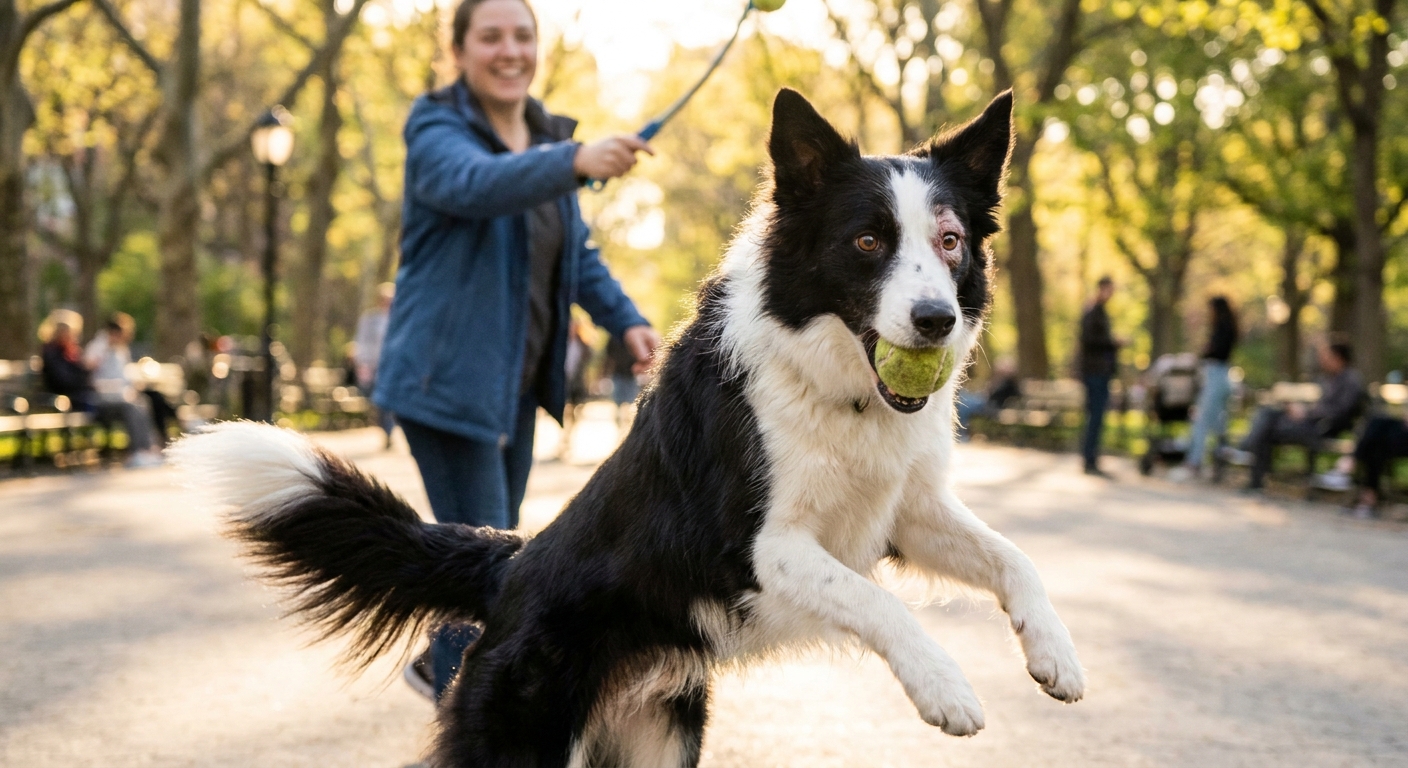
Witnessing your pet's world transform after successful eye surgery is incredibly rewarding. Pets who were once withdrawn, anxious, or hesitant due to impaired vision often experience a remarkable resurgence of their playful, curious selves. Improved vision leads to greater confidence in navigation, increased engagement in daily activities, and a significant reduction in anxiety. It allows them to reconnect with their environment and their family more fully, enhancing their overall quality of life exponentially. For owners, the relief and joy of seeing their pet thrive again is immeasurable, underscoring the vital role of veterinary ophthalmology.
Conclusion:
Undergoing eye surgery for your pet is a significant decision, but one that frequently leads to immense benefits. By understanding the realities of post-operative care, dispelling common myths, and committing to diligent home support, you equip your beloved companion for the best possible outcome. With professional guidance from your veterinary ophthalmologist and your unwavering patience, your pet can look forward to a future with improved vision and a significantly enhanced quality of life.